From corner sail
In the past, our ancestors believed in various superstitions and rituals. Everything had its order and purpose, including childbirth and the postpartum period. One of the most important rituals involved placing the mother and her newborn in a corner of the room behind a special cloth for six weeks.

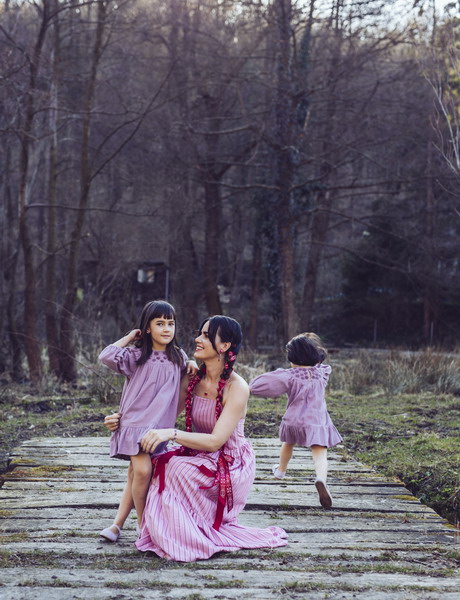
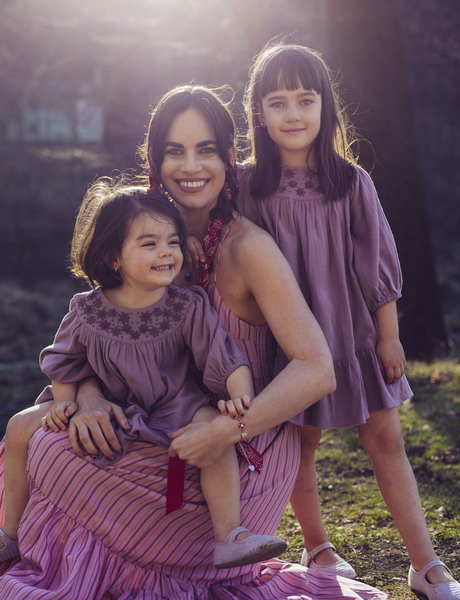
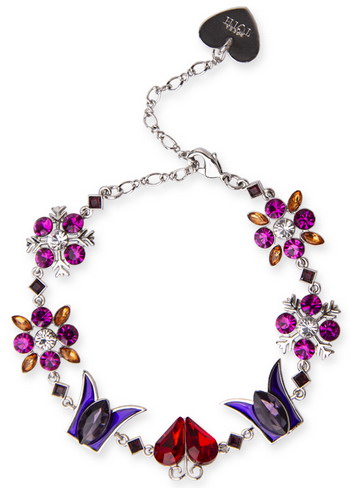
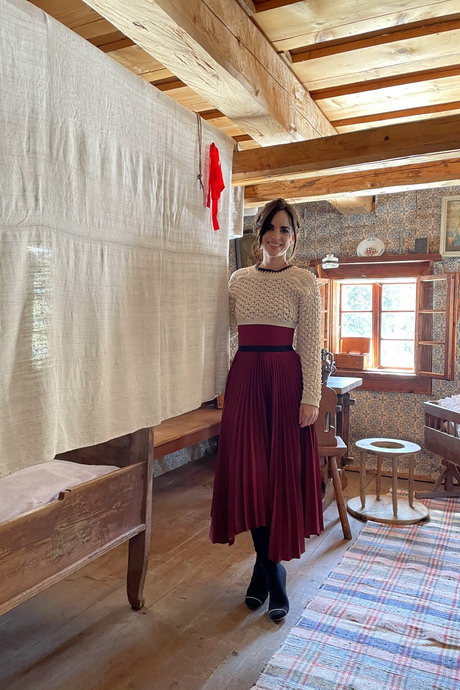
The corner cloth separated a special area of the room reserved for the mother and her newborn during the postpartum period. It was usually embroidered or decorated; if not, a red ribbon was attached. In this corner, the mother lay isolated on her bed, focusing solely on her baby. Family members would bring her food and attend to her needs.


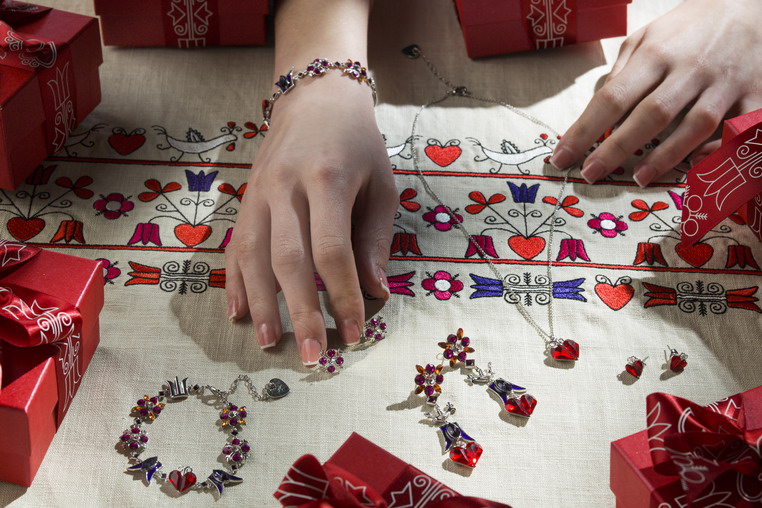
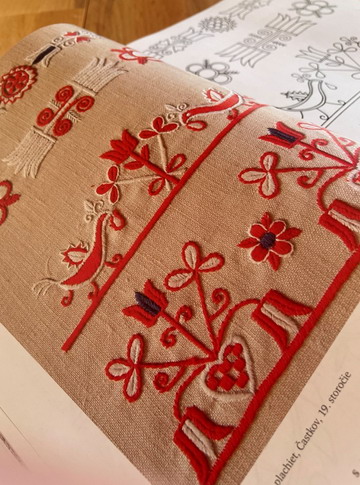
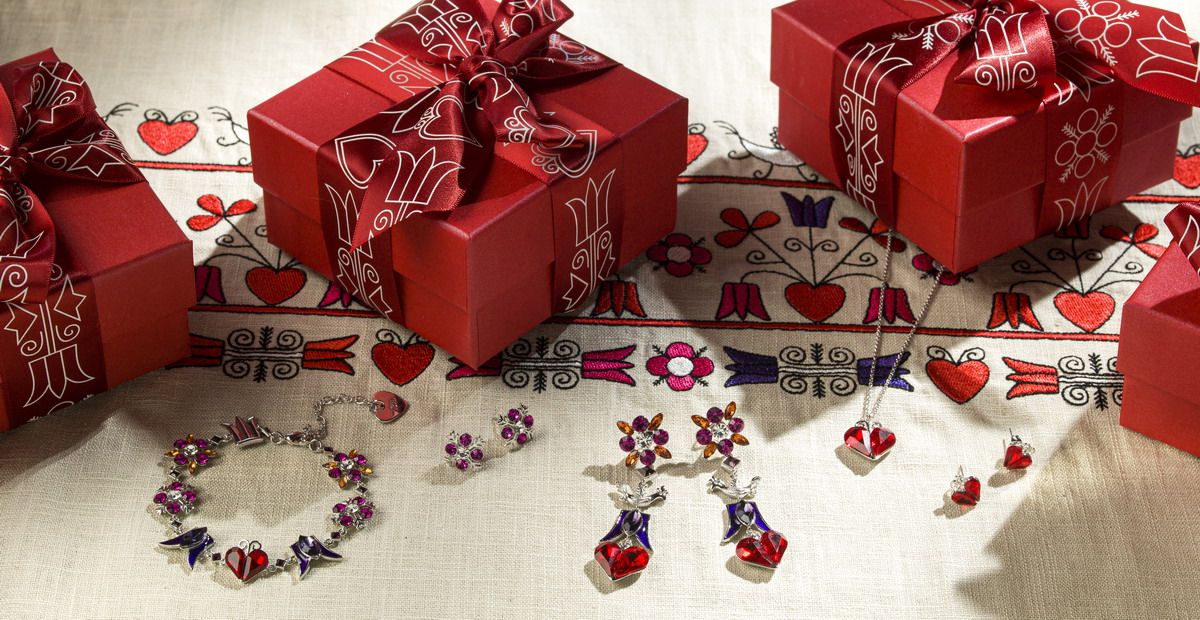
A woman behind the corner cloth was not allowed to leave, and only select people could enter — first the midwife, then female relatives, but never men or other siblings. The cloth provided privacy, calm, and protection from illness or evil forces. It was decorated with embroidery, almost always featuring a rooster or stylized bird symbolizing protection, embroidered in pairs facing each other. Tulips and hearts were also common, representing love, while flowers, leaves, and fruits symbolized growth and fertility.