As you may know, earlier this year I spent quite a few days in eastern Slovakia. But it wasn’t just this year; it has been many years before. Every time I arrived in the east, I discovered new directions that took me further, although sometimes I reached dead ends. When curators in museum storages told me “we don’t have more” or mayors said “our village never had traditional costumes, I’ve lived here for over 60 years and don’t remember any,” my curiosity grew. Initially, I approached the eastern Slovak theme visually, but soon I realized that approach led nowhere. I changed my perspective and began exploring it through the lens of culture. For the first time, I asked questions not about costumes, but about culture, and suddenly new doors started opening. That saying “there’s nothing in the east” is far from true. There is plenty in the east, and it’s remarkable. There’s so much that we had to split it into four series because it wouldn’t fit into just one small collection. Under the project "Eastern Epic," you will find four locations from eastern Slovakia, whose traditional costumes inspired four limited collections, which we will gradually present from September to December. I can’t wait for you to see them.
Petra
Eastern Epos
Svidník


The Svidník costume was first discovered in a book about eastern Slovak costumes, and what caught our eye were the delicate little flowers embroidered on the apron. When we visited Svidník, we realized these were actually iconic Makovica flowers (named after the Makovica hill), which are a signature element distinguishing this costume. The series features two color variations: burgundy and dark blue. Burgundy was chosen for the typical petal color of most flowers, complemented by dark blue, as the costume’s base is black, and historically, achieving pure black naturally was not possible, so most costumes were dark blue.

Bogliarka

Veiled in mystery and until recently hidden in an old book, the embroidery from the Bogliarka costume features beautifully arranged geometric flowers. We breathed new life into it, allowing it to shine once more after years of obscurity. Our Bogliarka.


The third part of the Eastern Epos is inspired by the embroidery from the village of Bogliarka found in historical books.

Ružbachy
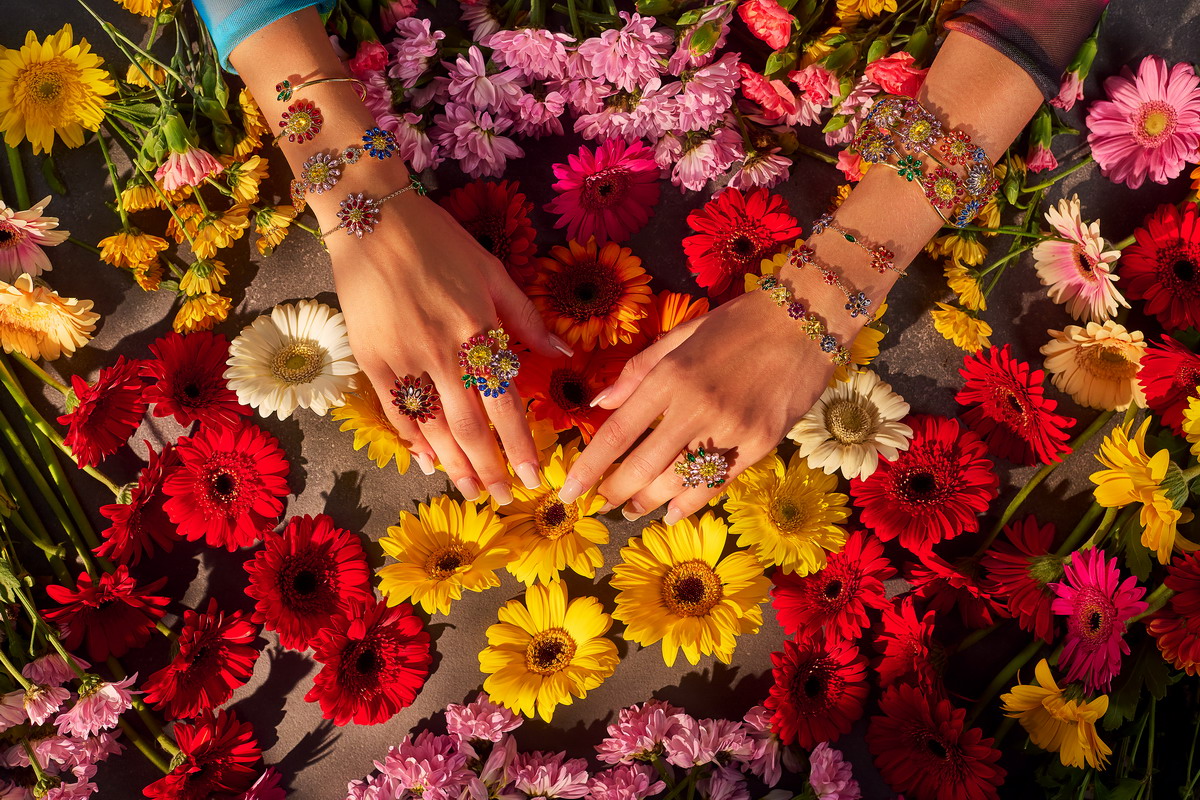
Some say “less is more,” but we respectfully disagree. Anyone who feels a connection to our roots and admires the work of generations of women before us knows that “more is always more.” Creating rich, colorful, heavily decorated costumes in times of extreme poverty, being so connected to nature that you bring a meadow of flowers to your own clothing, embroidering by candlelight with hands calloused from hard labor — these are the roots we study and deeply value. This inspiration drives the creation of new contemporary jewelry. Minimalism or abstract shapes without substance are not part of Eastern Epic. We never settle for simplicity; we always seek depth and create new designs firmly grounded in tradition.
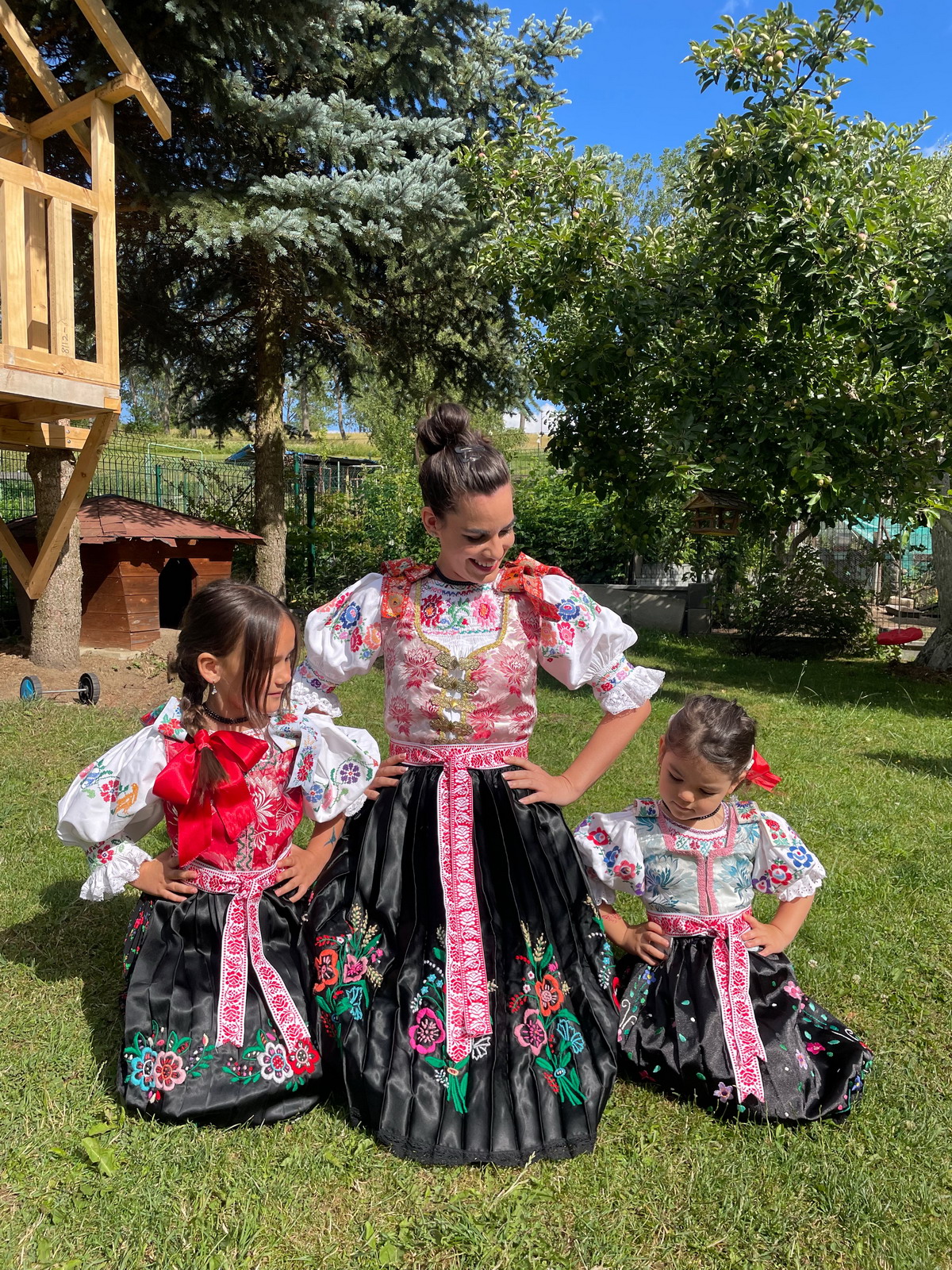
This vibrant costume from Vyšné Ružbachy had been on my radar for some time. But as with most inspirations, I wanted to experience it firsthand, to feel the nature and atmosphere where such beautifully embroidered costumes were once worn. This summer, my dream came true in Vyšné Ružbachy, where not only I, but also my two daughters, had the honor of wearing the costume. The costume itself is stunning, but even more so were the people generously sharing their collection, for which I am deeply grateful. Everything I experience on my inspiration journeys finds its way into my work. For the Vyšné Ružbachy jewelry series, I couldn’t overlook its richness, reflected in every single piece.
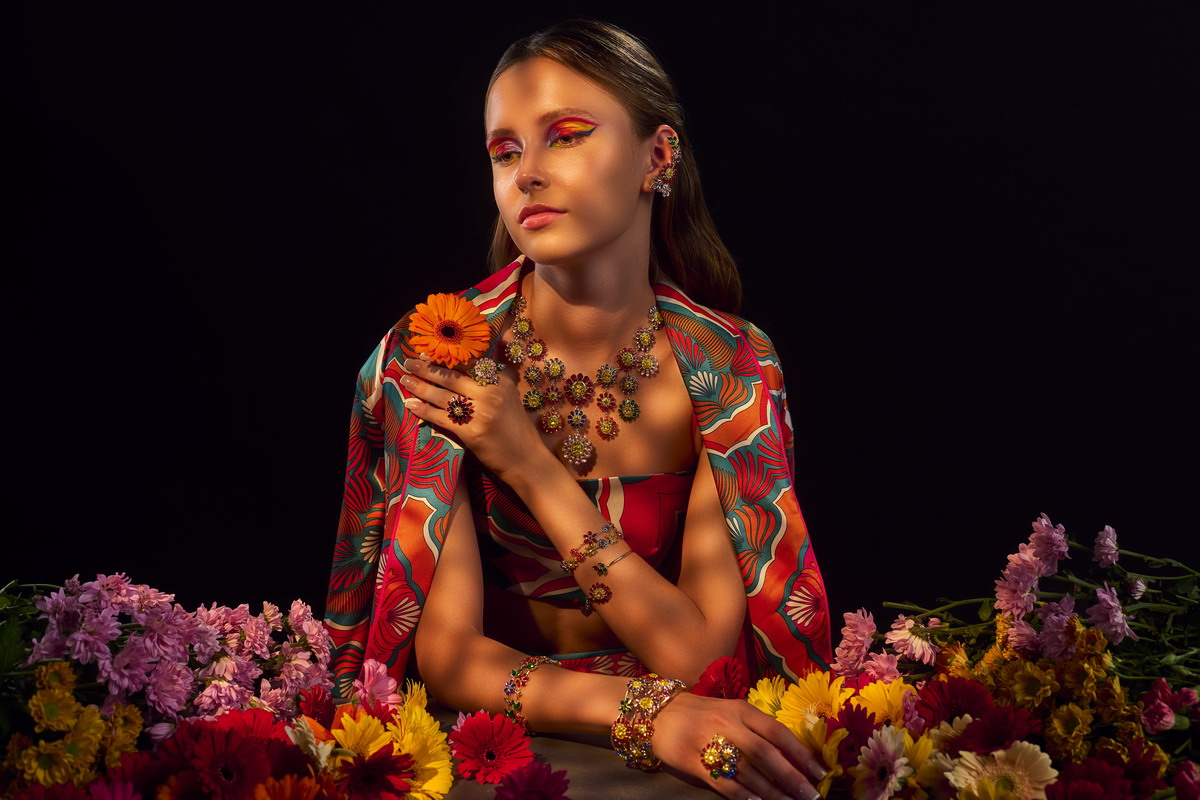
Harmony, freedom, and diversity — this is how we see a meadow full of flowers, playing with all the colors of the world. Each flower has its place and together they create a vibrant, colorful panorama. This is what our Vyšné Ružbachy-inspired jewelry represents.
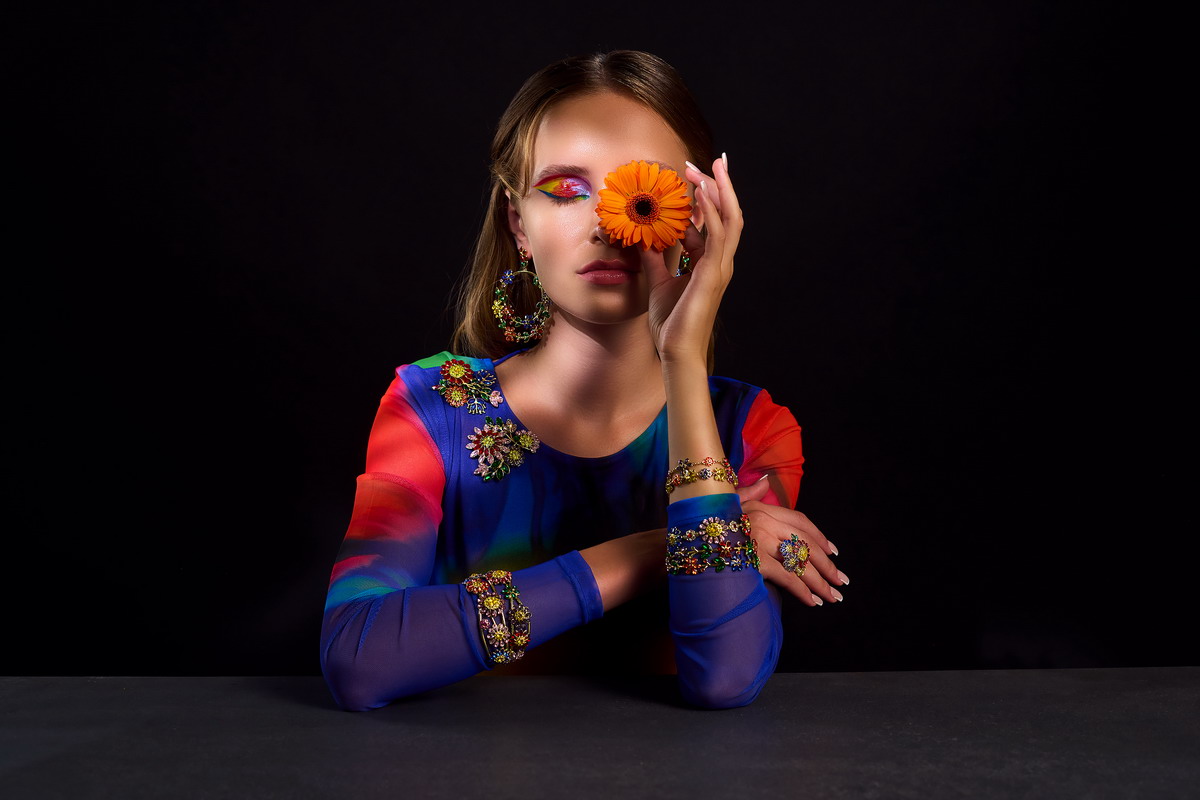
Hudcovce
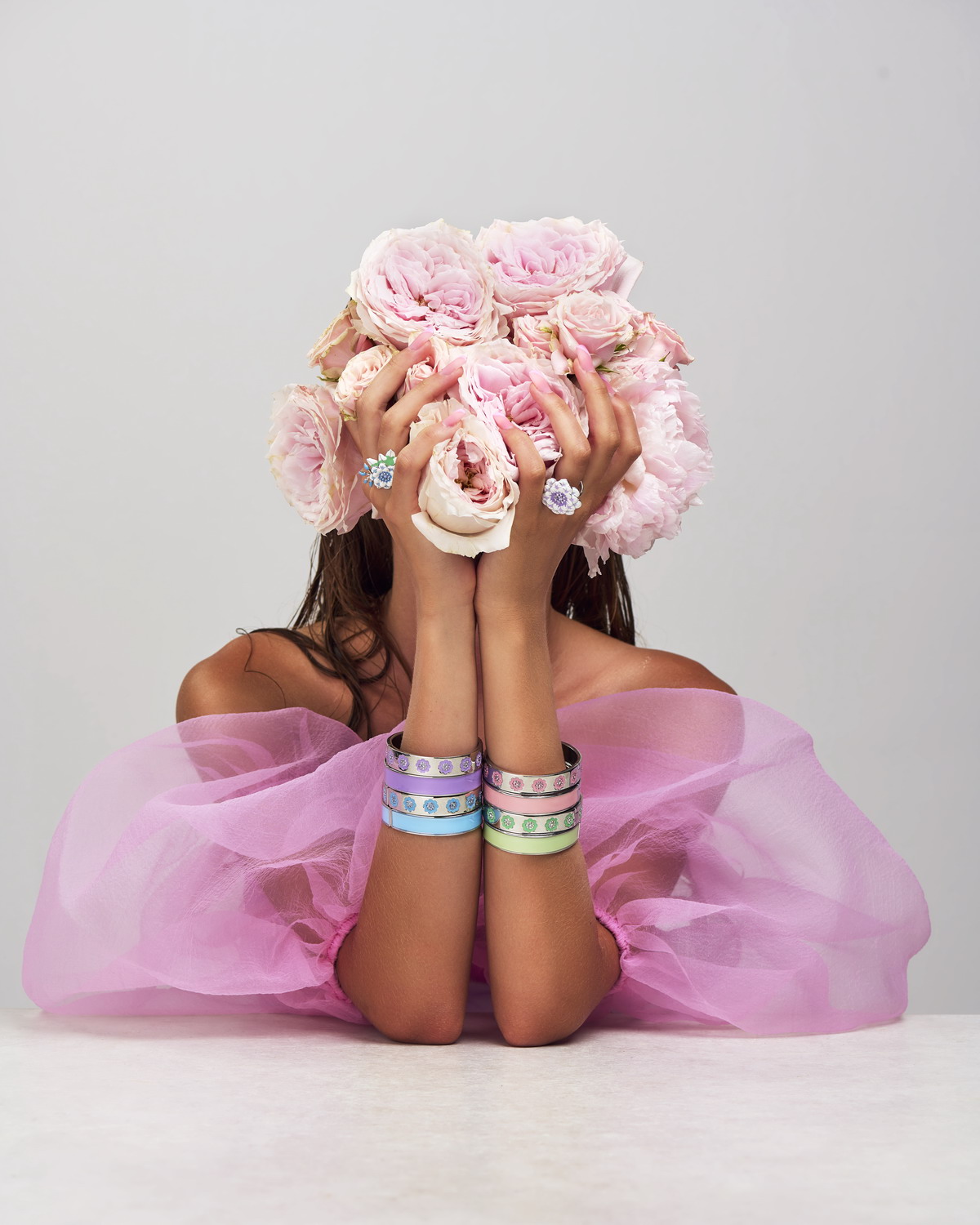
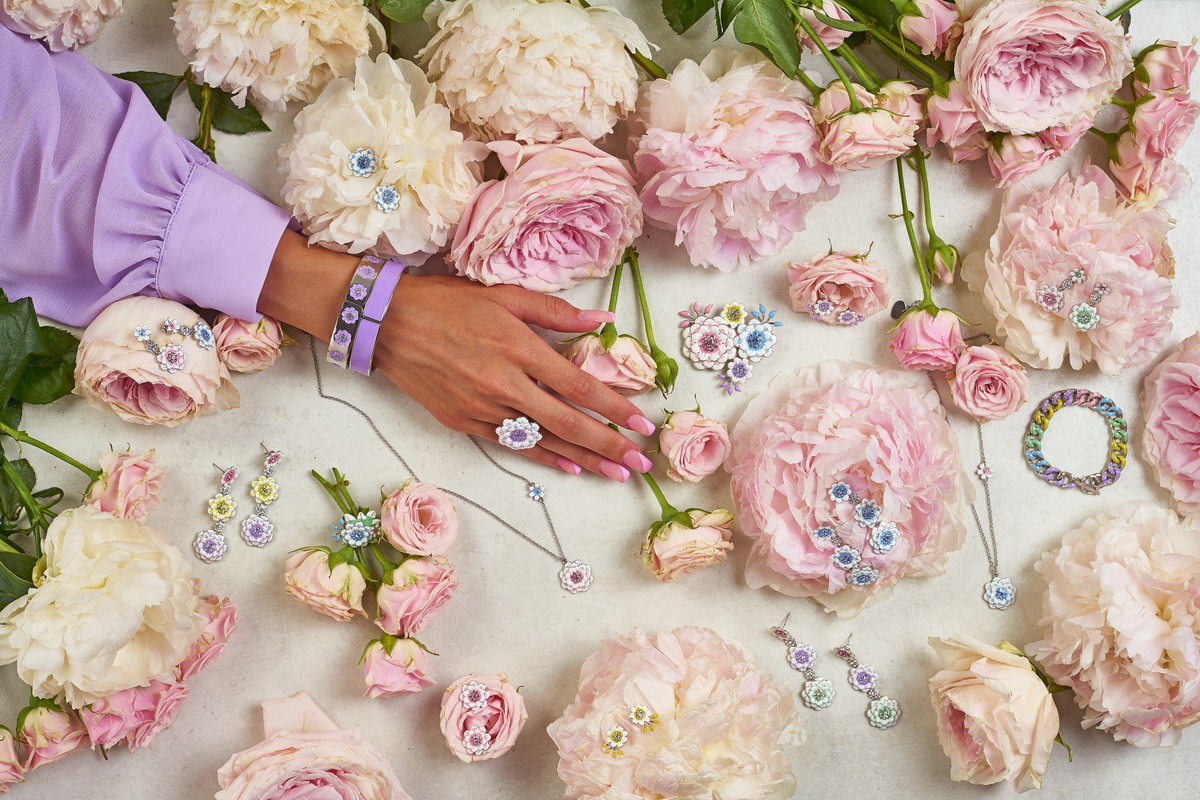
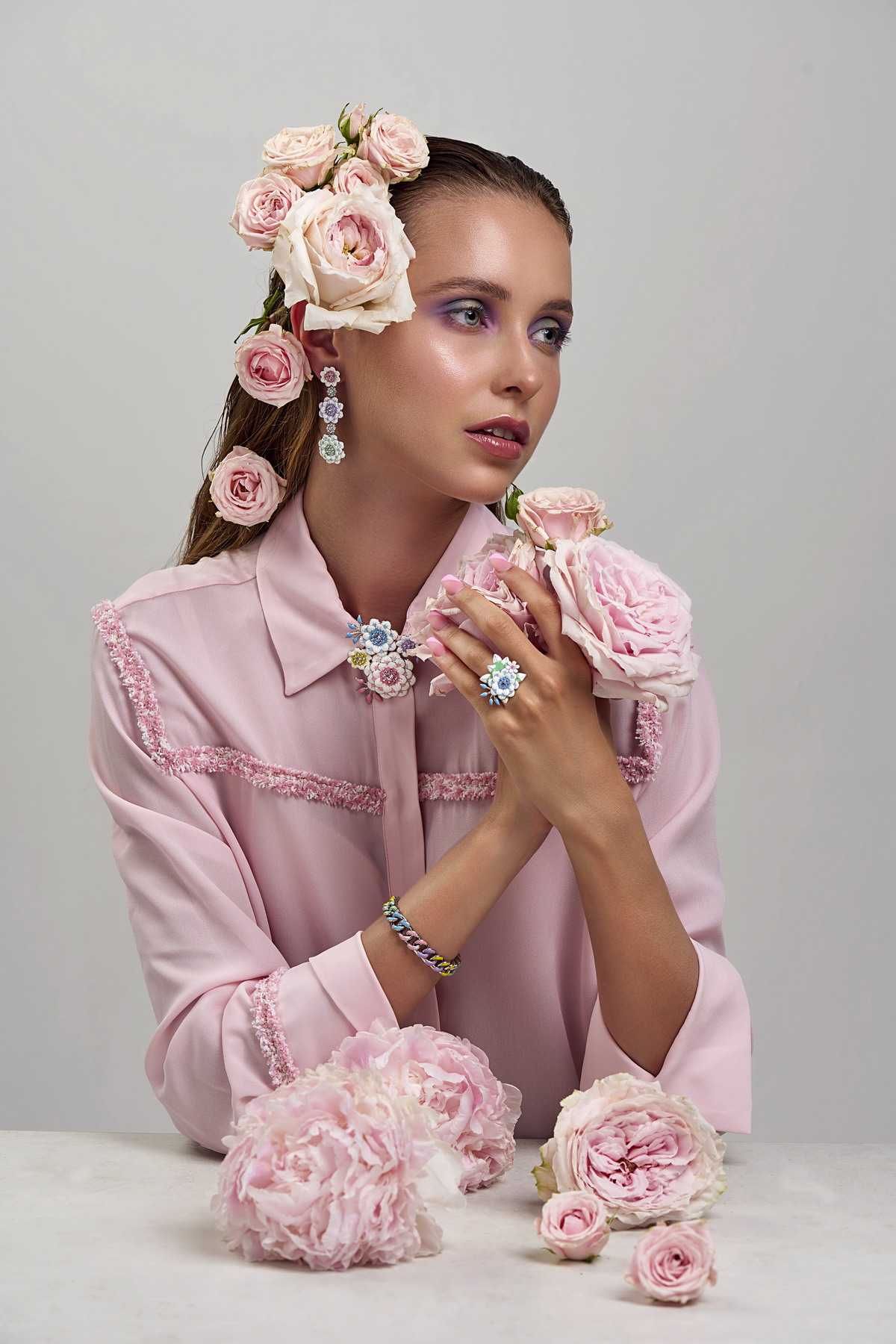
The sweet scent of roses and peonies — this is how the traditional ornament from Hudcovce can be transformed into contemporary jewelry.